Clean Water, Safer Future for Kenya's Coastal Region
The Sabaki Water Project aims to transform lives in Kilifi and Mombasa Counties through a Sustainable Public-Private Partnership providing clean water, sanitation and energy infrastructure
The Challenge: Low Access to Piped Water and Sanitation
For decades, 650,000+ residents have been underserved by current water systems; resulting in poor health, low school attendance, economic stagnation, and gender inequality
The Sabaki Water Project: A Bold Solution to a Persistent Problem


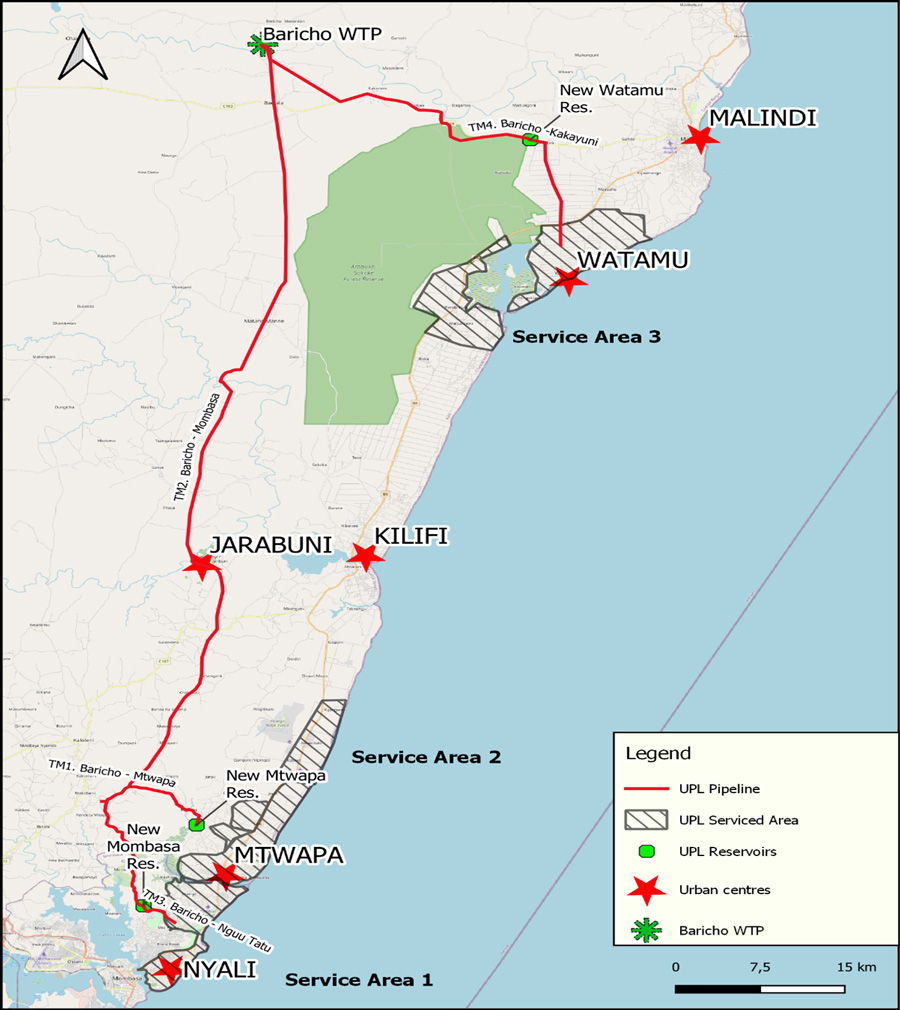
Delivering Water, Dignity and Development
Water Supply
The project will draw up to 80 million litres of water per day from the Baricho aquifer in Kilifi County
Main Pipeline
A 100 km transmission pipeline will carry treated water from Baricho to Nguu Tatu reservoir in Mombasa, with branches reaching Watamu, Mtwapa, and other surrounding areas. A second 40 km will transfer water to Watamu.
Distribution Network
A 1,000 km network of smaller pipelines will deliver water directly to homes and businesses in selected areas of Kilifi (Mtwapa, Watamu) and Mombasa (North mainland) Counties.
Sanitation Services
The project includes systems to collect and treat up to 35 million litres of wastewater per day.
Clean Energy
A 12MW solar power plant will provide part of the energy needed to run the project, reducing reliance on grid power and lowering energy costs.
From Groundbreaking to Generational Impact
Development Phase (August 2025 to July 2026)
The project is currently in development phase leading to Project Agreement and subsequently Financial Close.
Construction Phase (24–30 months)
Construction of new works and integration with existing systems.
Operation Phase (20 years of service delivery)
Water and sanitation services are provided as per the contract term.
Handover Phase (Return to public authorities):
At the end of term, the project will be handed over to MOWSI, MOWASSCO, MAWASCO and KIMAWASCO
Community Impact Beyond Infrastructure
The goal of the Sabaki Water Project is to enhance the quality of life for communities in Kilifi and Mombasa Counties.
The project aims to mitigate the coastal region’s water crisis by improving access, quality, availability, and sustainability of water through clean, affordable water and dignified sanitation for over 650,000 residents in Kilifi and Mombasa Counties.
Community-First Budget Allocations
- 4% allocation of development budget
- 0.35 – 0.5% allocation of project construction cost
- 1% of annual operating revenue will continue to support community activities during the project's operation
Project Impact
The Sabaki Water Project will deliver positive, tangible, social and economic impact
Economic and Commercial Growth
- Increased economic growth due to lower business costs and better business performance because of reliable water supply.
- Creation of employment opportunities leading to socio-economic development and poverty reduction.
Health and Hygiene and Sanitation
Provide 650,000 people with reliable and sustainable water supply services
Education Outcomes
Increased education enrolment and attendance for children leading to better performance outcomes
Improved quality of Life (especially for women and girls)
Time saving to engage in other productive activities leading to better quality of life, especially for women and girls
Stakeholder Engagement as a Project Pillar
- Ongoing consultations
- Clear grievance redress mechanisms
- Independent monitors for transparency
- Ongoing consultations
- Clear grievance redress mechanisms
- Independent monitors for transparency
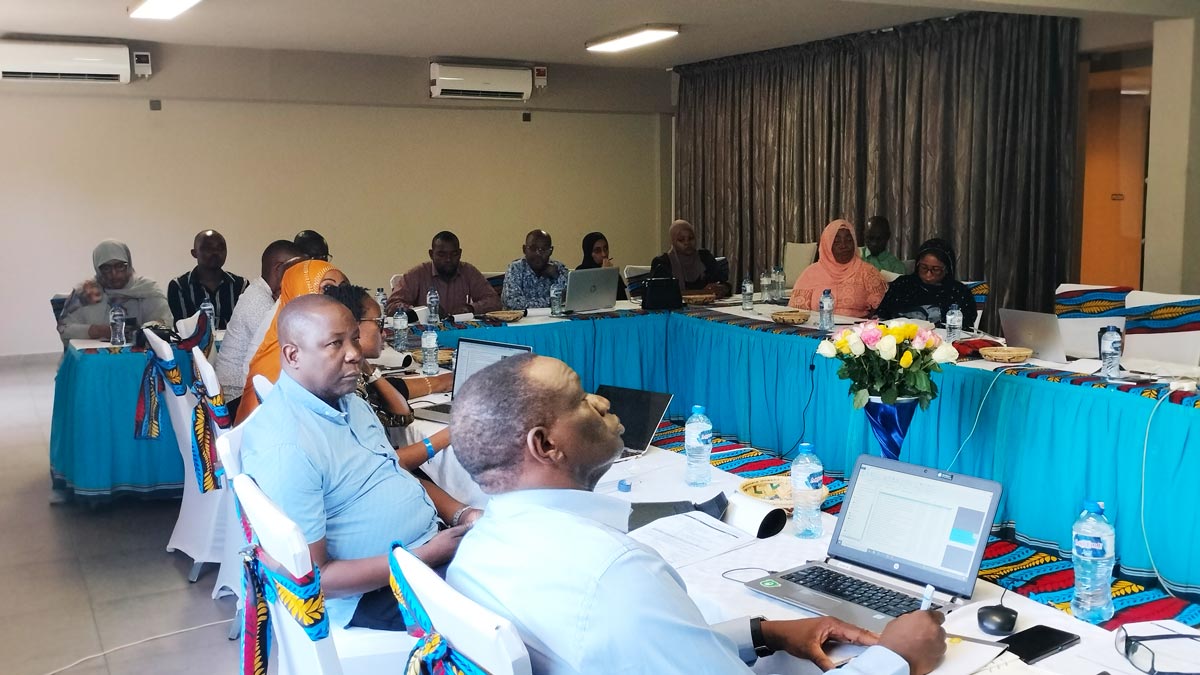


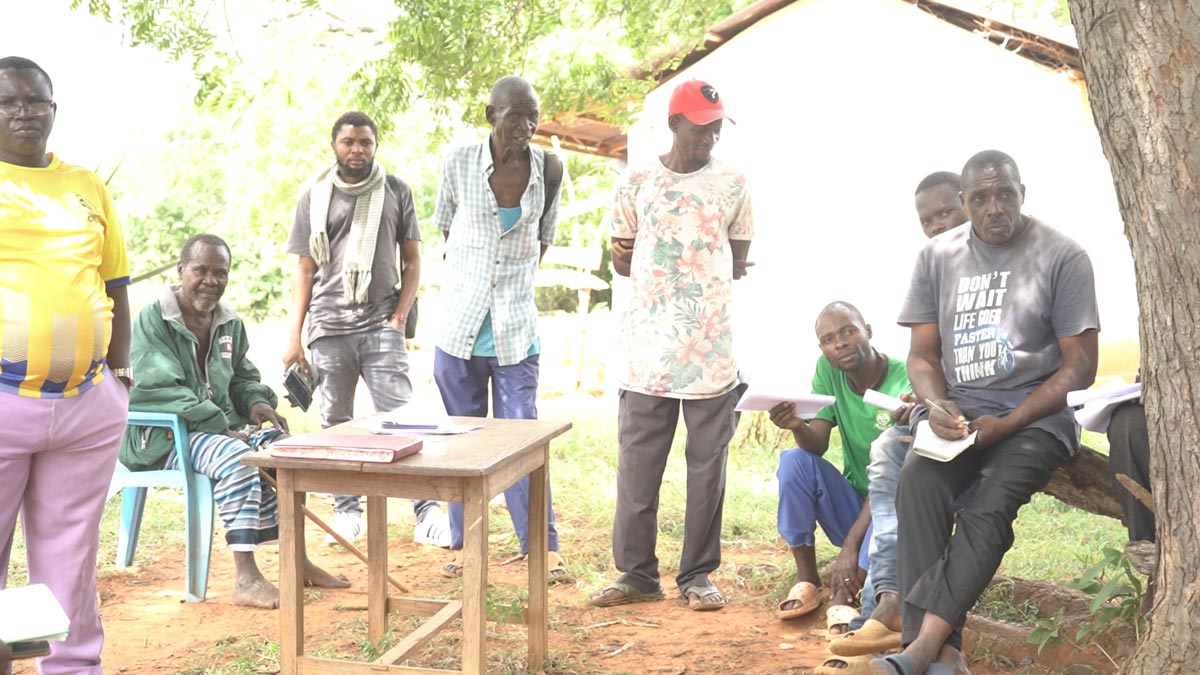


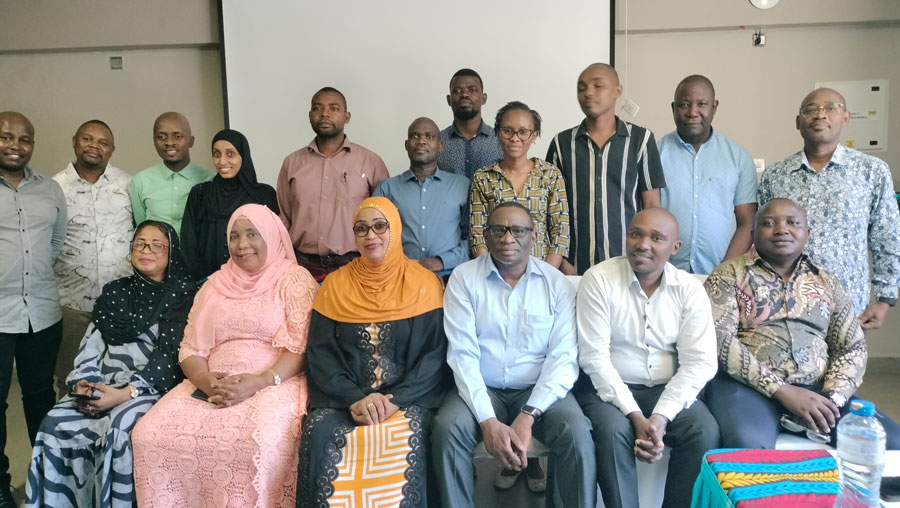
Stakeholder Engagement as a Project Pillar
Community engagement has been initiated from the onset in order to build on trust, transparency and two-way communication through:
- Ongoing consultations
- Clear grievance redress mechanisms
- Independent monitors for transparency
Get in Touch
- Utility Partners One LLP/Sabaki Water Company
- ICEA Lion Centre, Block A, 2nd Floor, Chiromo Rd,
- P. O. Box 101650 -00101, Jamia, Nairobi, Kenya
- Tel: +254 732 188634 / +254 117 686 467
- Email: info [at] sabakiwater.co.ke